In 2025, a major US snack manufacturer recalled 3.2 million units after a 1.5 mm metal fragment was found in a production batch. The recall cost the company an estimated $18 million in direct losses — not counting the brand damage that took two quarters to recover from. The fragment came from a worn conveyor belt component that a standard metal detector, calibrated three months earlier on a wider tolerance setting, failed to flag.
The global food safety testing market reached $24.3 billion in 2025 and is projected to surpass $37 billion by 2030 at a compound annual growth rate of 8.9%. Within this segment, food inspection equipment — metal detectors, X-ray systems, and checkweighers — accounts for the fastest-growing subcategory, driven by tightening regulations, retailer audit requirements, and the rising cost of a single recall.
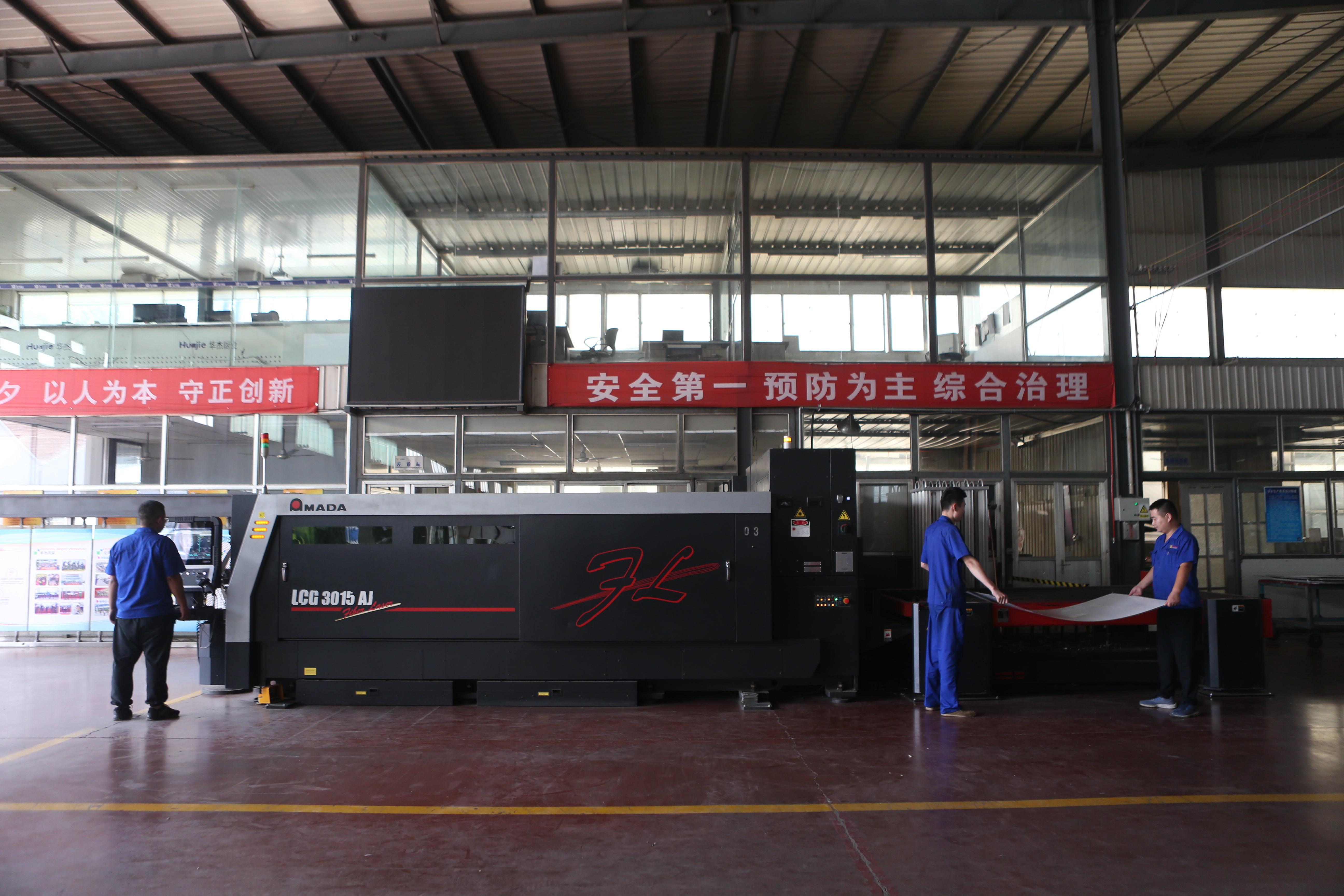
For food processors, packers, and central kitchen operators, the question is no longer whether to invest in inspection equipment. The question is which technology fits the product matrix, what level of sensitivity is required, and how to integrate detection into a higher-throughput line without creating a bottleneck.
Three structural shifts have changed the economics of food contamination detection since 2023:
Regulatory escalation. The US FDA's FSMA Section 204 (Food Traceability Rule) reached full enforcement in January 2026, requiring processors to maintain electronic records linking inspection data to every production lot. In the EU, Regulation 2023/2006 on good manufacturing practice now explicitly references metal and foreign-body detection as a prerequisite for BRCGS and IFS certification. China's updated Food Safety Law (effective March 2025) introduced mandatory X-ray or metal detection checkpoints for all export-oriented meat and ready-meal processing lines.
Retailer mandates. Walmart, Costco, and Aldi now require third-party inspection equipment validation reports as part of supplier onboarding. A 2025 survey by the Global Food Safety Initiative (GFSI) found that 73% of major retailers have added foreign-body prevention clauses to supplier contracts — up from 41% in 2022.
Recall economics. The average cost of a Class I food recall in the US reached $12.7 million in 2025, according to the Food Marketing Institute. For a mid-sized processor running $50 million in annual revenue, a single undetected contamination event can erase two years of profit.
Both technologies detect foreign bodies. They work on different physical principles, have different sensitivity profiles, and are suited to different product types. The following comparison breaks down the key decision factors:
| Feature | Metal Detector | X-Ray Inspection System |
|---|---|---|
| Detection principle | Electromagnetic field disturbance (balanced coil) | Density-based imaging (X-ray absorption differential) |
| Detects metal | Ferrous, non-ferrous, stainless steel | All metals including thin aluminum & wire |
| Detects non-metal | No | Glass, stone, bone, ceramic, dense plastic, rubber |
| Product effect | High — salty/wet products create signal interference | Low — density imaging separates product from contaminant |
| Sensitivity (typical) | Fe: 1.0-1.5 mm, SS: 2.0-3.0 mm (dry product) | SS: 0.8-1.5 mm, glass: 2.0-3.0 mm, stone: 1.5-2.5 mm |
| Conveyor speed | Up to 120 m/min | Up to 90 m/min |
| Capital cost (entry) | $8,000-$25,000 | $45,000-$120,000 |
| Best for | Dry products, snacks, bakery, bulk ingredients | Wet/salty products, ready meals, canned goods, multi-layer packaging |
| Additional capabilities | None (single function) | Mass measurement, component counting, fill-level inspection, seal integrity check |
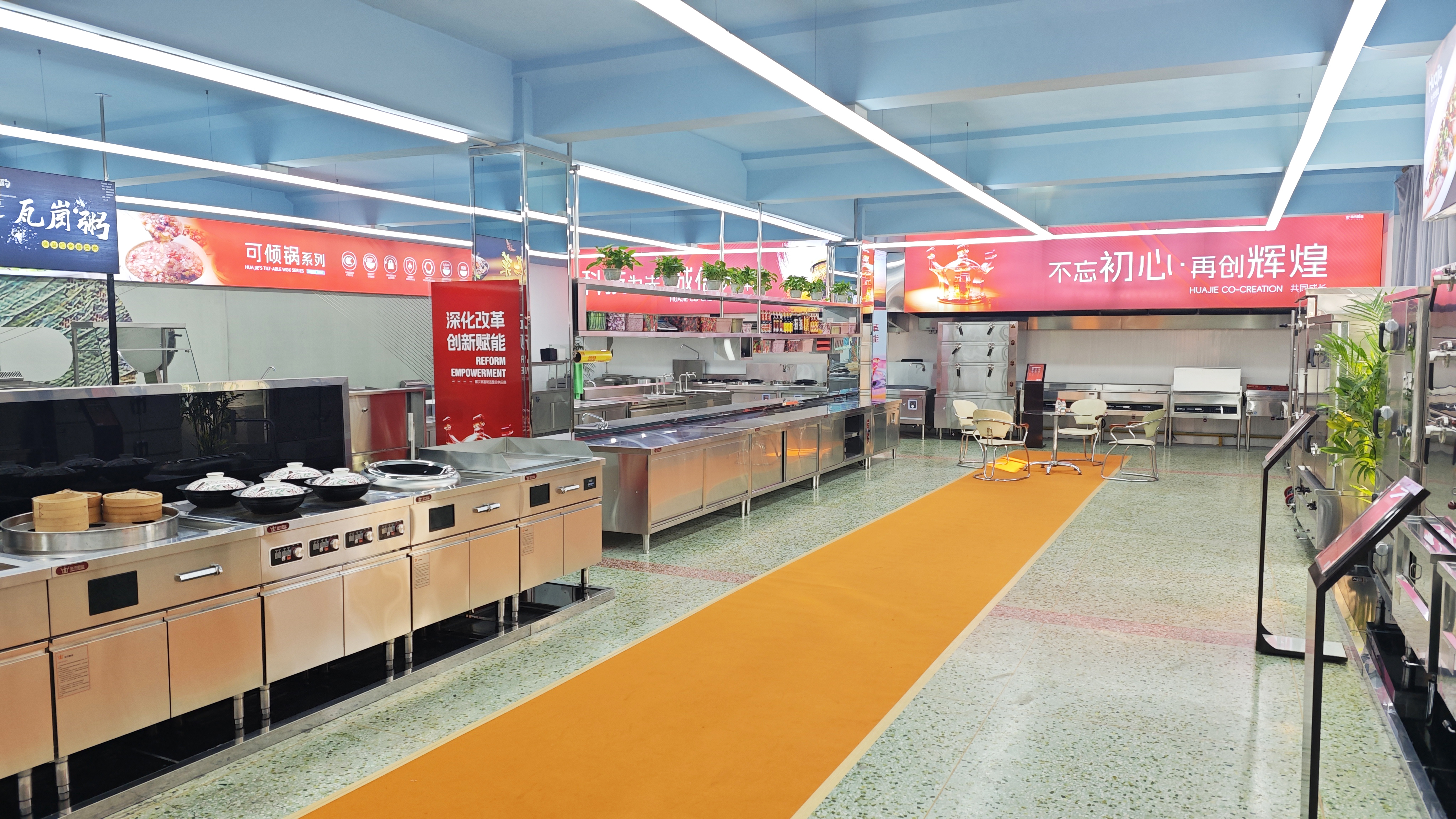
Practical guidance: If your product line runs dry, uniform-density items such as biscuits, snack pellets, or powdered ingredients, a high-frequency metal detector is usually sufficient and cost-effective. If you process ready meals with mixed-density components (meat + sauce + vegetables in a foil tray), marinated meats, or products in metallized film packaging, X-ray inspection is the correct choice — and in many cases, the only one that works.
A growing number of mid-sized processors are adopting a dual-layer approach: metal detection at incoming raw material receiving, followed by X-ray inspection at the finished-product checkpoint before dispatch.
AI-powered contaminant recognition. The newest generation of X-ray inspection systems (2025 models from leading manufacturers) embed convolutional neural network algorithms that learn normal product density patterns and flag deviations that would be invisible to threshold-based detection. A 2025 pilot study by Campden BRI showed that AI-assisted X-ray reduced false-reject rates by 62% compared to conventional single-energy X-ray, translating to approximately 3.5 tonnes of saved product per line per year.
Multi-spectral / dual-energy X-ray. Dual-energy detectors differentiate materials by atomic number, not just density. This means they can distinguish a chicken bone fragment (calcium, low Z) from a stainless steel shard (iron/chromium, high Z) in the same scan pass — something single-energy systems cannot do. Prices are dropping: entry-level dual-energy systems fell below $70,000 in Q1 2026, down from $110,000 in 2023.
Inspection data integration with MES/ERP. Modern inspection equipment no longer operates as a standalone station. The 2026 generation outputs inspected-product data in OPC-UA or PackML format, feeding directly into Manufacturing Execution Systems (MES). This enables real-time Statistical Process Control (SPC): if reject rates on a specific line drift above 0.3% for three consecutive hours, the system triggers an automatic maintenance work order and quarantines the affected batch — all without human intervention.
China's export-driven inspection equipment boom. Chinese-manufactured food inspection systems — particularly metal detectors and checkweighers — are gaining international market share. China's food safety testing equipment exports grew 34% year-over-year in 2025 to reach $1.8 billion, with Southeast Asia, the Middle East, and Africa as the top destination markets. Chinese systems now offer comparable sensitivity to European brands at 40–60% of the capital cost, making them the preferred choice for price-sensitive processors in developing markets.
Step 1: Audit your product matrix. List every SKU that will pass through the inspection point. Note moisture content, salt level, packaging type (foil, metallized film, plastic tray, glass jar), and product temperature at the inspection stage. Wet, salty, or foil-packaged products will almost certainly require X-ray over metal detection.
Step 2: Define your Critical Control Point (CCP). Within HACCP, inspection equipment is almost always designated as a CCP. You need to specify: (a) the maximum acceptable contaminant size (typically 2.0 mm for ferrous metal, 3.0 mm for stainless steel, 4.0 mm for non-ferrous in the US market — stricter in EU where 1.5 mm / 2.0 mm / 2.5 mm is common); (b) the verification frequency (hourly test-piece checks are standard); (c) the corrective action protocol for a failed verification check.
Step 3: Match throughput to inspection speed. A metal detector running at 120 m/min on a 400 mm-wide conveyor can inspect approximately 15,000 units per hour for small-format products. An X-ray system at 60 m/min handles roughly 7,500 units per hour at maximum resolution. If your filler runs at 12,000 uph, a single X-ray lane may create a bottleneck — plan for two parallel lanes or accept a lower inspection resolution.
Step 4: Consider total cost of ownership, not just purchase price. A $50,000 Chinese X-ray system with a $3,000 annual tube replacement cost over 8 years totals $74,000. A comparable $95,000 European system with a $2,800 annual tube cost totals $117,400 over 8 years. Factor in local service availability, spare parts lead time, and operator training requirements — a cheaper machine with a 4-week spare parts lead time can cost far more in downtime than the purchase-price difference.
Step 5: Validate before you buy. Never purchase inspection equipment without running your actual product through a demo unit. Request sensitivity certification using test pieces embedded in your product at your production temperature and humidity. A detector that achieves 2.0 mm stainless steel sensitivity on dry crackers may fail entirely on warm, salted chicken pieces.
Q: Do I need both a metal detector and an X-ray system on the same line?
A: Most processors do not need both on the same line. Choose one based on your product characteristics. However, large operations may deploy metal detection at raw material intake and X-ray at finished-product outfeed. The incremental cost of the second system must be justified by the risk profile of your raw material supply chain.
Q: What is the smallest contaminant an X-ray system can detect?
A: Modern dual-energy X-ray systems can detect stainless steel spheres down to 0.8 mm and glass fragments down to 2.0 mm in homogeneous products. Detection limits degrade in heterogeneous products (bone-in meat, mixed ready meals). The minimum detectable size is always product-specific — never rely on manufacturer datasheet values without validating on your actual product.
Q: How often should metal detectors be calibrated?
A: Test-piece verification should be performed at minimum every hour during production, at shift change, and after any line stoppage exceeding 15 minutes. Full calibration (balancing, phasing, product compensation) is typically quarterly, or whenever the detector fails two consecutive test-piece checks. All calibration and verification data must be recorded for audit — this is a standard BRCGS/IFS requirement.
Q: Are Chinese-manufactured inspection systems compliant with international standards?
A: Leading Chinese manufacturers now produce systems certified to CE, FDA 21 CFR Part 11 (electronic records), and compliant with BRCGS Issue 9 and IFS Food Version 8 audit requirements. Look for ISO 22000 certification of the manufacturer's quality management system and request a copy of the system's HACCP validation report before purchase.
Q: How long does it take to install and validate inspection equipment?
A: Physical installation typically takes 1–2 days. Full validation — including sensitivity mapping across all SKUs, operator training, and integration with rejection mechanisms — typically requires 3–5 working days for a single production line. Plan for production downtime during validation; schedule it during a planned maintenance window.
Food safety inspection equipment is one of the few capital expenditures in food processing that can be justified on pure risk-mitigation arithmetic. At an average recall cost of $12.7 million and a growing regulatory burden that makes detection a compliance requirement rather than a competitive differentiator, the ROI calculation is straightforward.
For processors evaluating inspection equipment in 2026, the priority order is: (1) match the technology to your product, not the other way around; (2) validate on your actual product before committing; (3) plan for data integration from day one — the audit trail requirement is not going away; and (4) consider Chinese-manufactured systems if capital cost is a constraint, but verify certification and local service support.
Huayi Smart Kitchen supplies a comprehensive range of food processing and safety inspection equipment for central kitchens, meat processing plants, ready-meal factories, and bakery operations. Our inspection equipment lineup includes multi-frequency metal detectors, dual-energy X-ray inspection systems, and combination checkweigher-detector units — all CE-certified and validated to international food safety standards. Contact our engineering team to discuss your product-matrix requirements and arrange a product-specific sensitivity validation.


